Five rewrites, back to version two — what I was missing wasn't a better diagram, it was a rubric
I'm building an explainer-video engine, with a set of renderers that show physics misconceptions. One draws a force analysis. I rewrote the preview five times — then looked back and realized I'd landed on roughly what version two already was. The whole middle was spinning in place.
Last post, AI 译匠, I said a validator and a loop are a pair. That assumed you can write a validator. This time you can't: the DOM can't compute "is this diagram any good," and I have no gold-standard diagram to compare against. So I was back on the slot machine: tweak, eyeball the preview on gut feel, tweak again — win a round with no idea why.
The problem wasn't the diagram. It was that I was the judge, with no rubric, showing up only after the thing was built. The moment I forced the rubric onto paper, why the five versions spun was obvious:
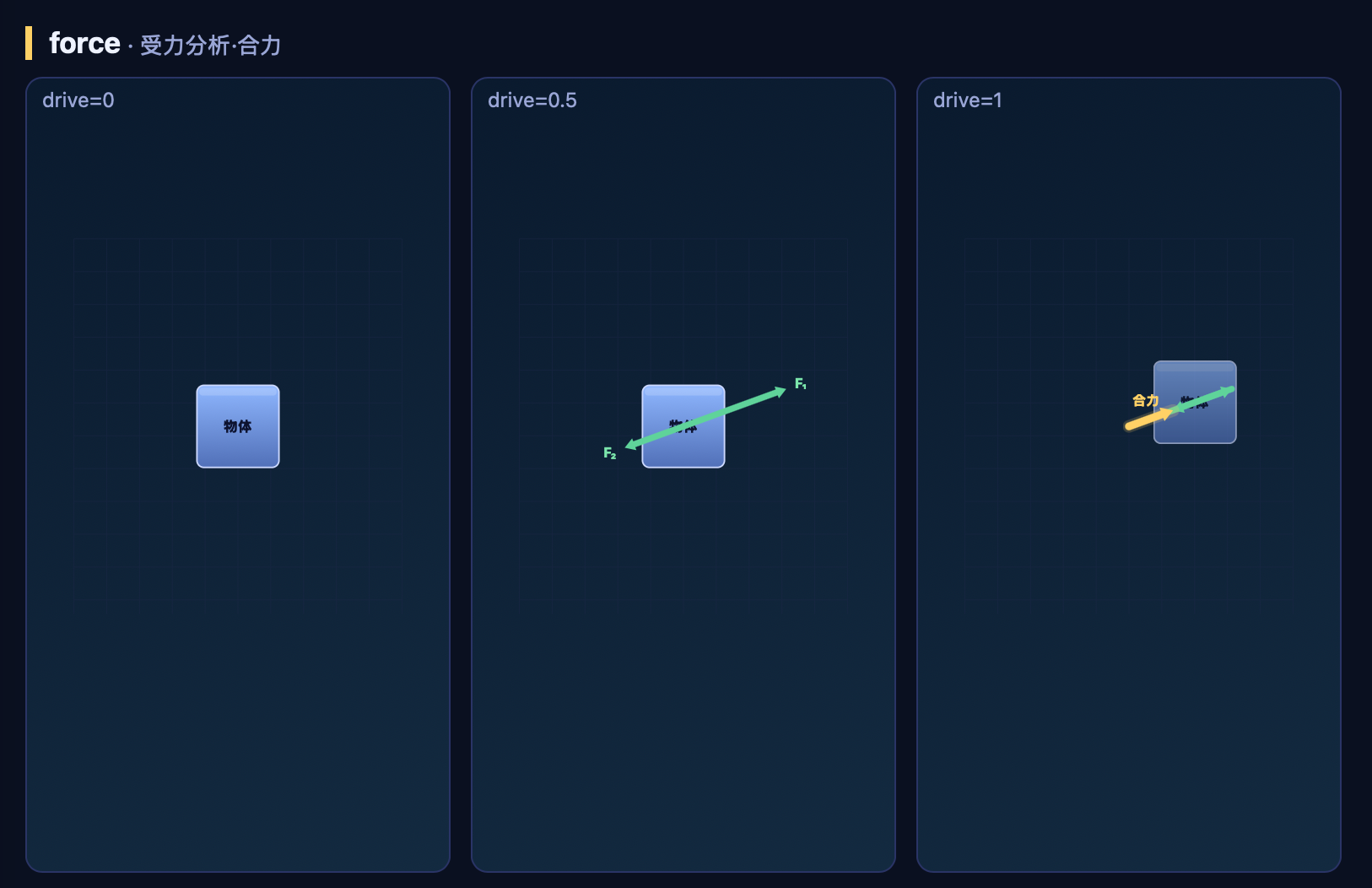
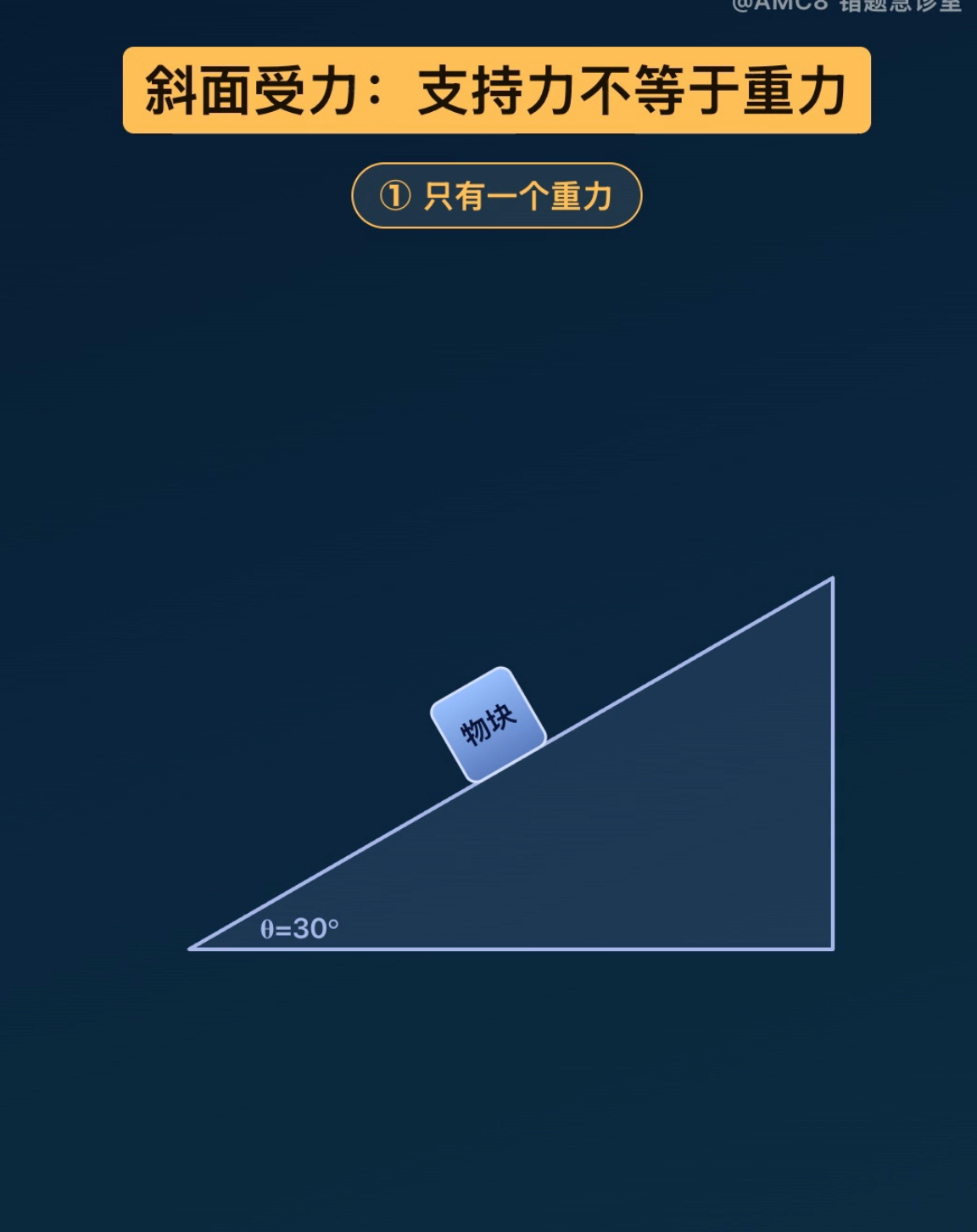
The flaws you can stare at a preview and "feel" for ages without catching are, on the rubric, a few lines in black and white. It looks like this (other problems get their own, same method):
Force-analysis spine · rubric (score each; if it fails, give a fix)
1 Concrete first        A real scene (incline + block), or a pile of abstract arrows?
2 Cognitive load        How many quantities on screen? Split past 3–4.
3 Visual/narration parity Every force the narration names — is it drawn on screen?
4 Causality visible     Does the student SEE why, or get told the conclusion?
5 Misconception target  Which misbelief does this break? Do the visuals hit it head-on?
The takeaway, one line: before you start, ask — who's the judge, by what standard, and is that judge in place? Sort the work by how correctness gets established:
| Tier | Judge | Device (before you build) |
|---|---|---|
| Deterministic | Validator / test | Freeze cases first, then implement (TDD) |
| Creative · subjective | Domain-expert panel + explicit rubric | At the proposal stage: N approaches → score → converge → then build |
| Conversational | Eval + LLM judge | Build the scenario set first |
Force analysis is that middle tier — the one I'd never built a device for, which is exactly why it was the one spinning. Decide the judge first, then build.
I've packaged this into a Claude skill, open-sourced on GitHub — clone it into ~/.claude/skills/ and it's yours to use.
Honestly: I only built this rubric today, haven't run it across the spines yet. By the last post's rule — don't even trust your own validator — I'll brag once I've run it and posted real numbers. One aside, since it's ours: leonclass.com, which helps science teachers vet exam questions, is this same shape — the checkable half goes to code, the teaching-judgment half makes the teacher the judge, with a clear rubric in hand.
If you're also chewing on verification / education / agents, come say hi.